The next two decades belong to those who own what the world cannot do without.
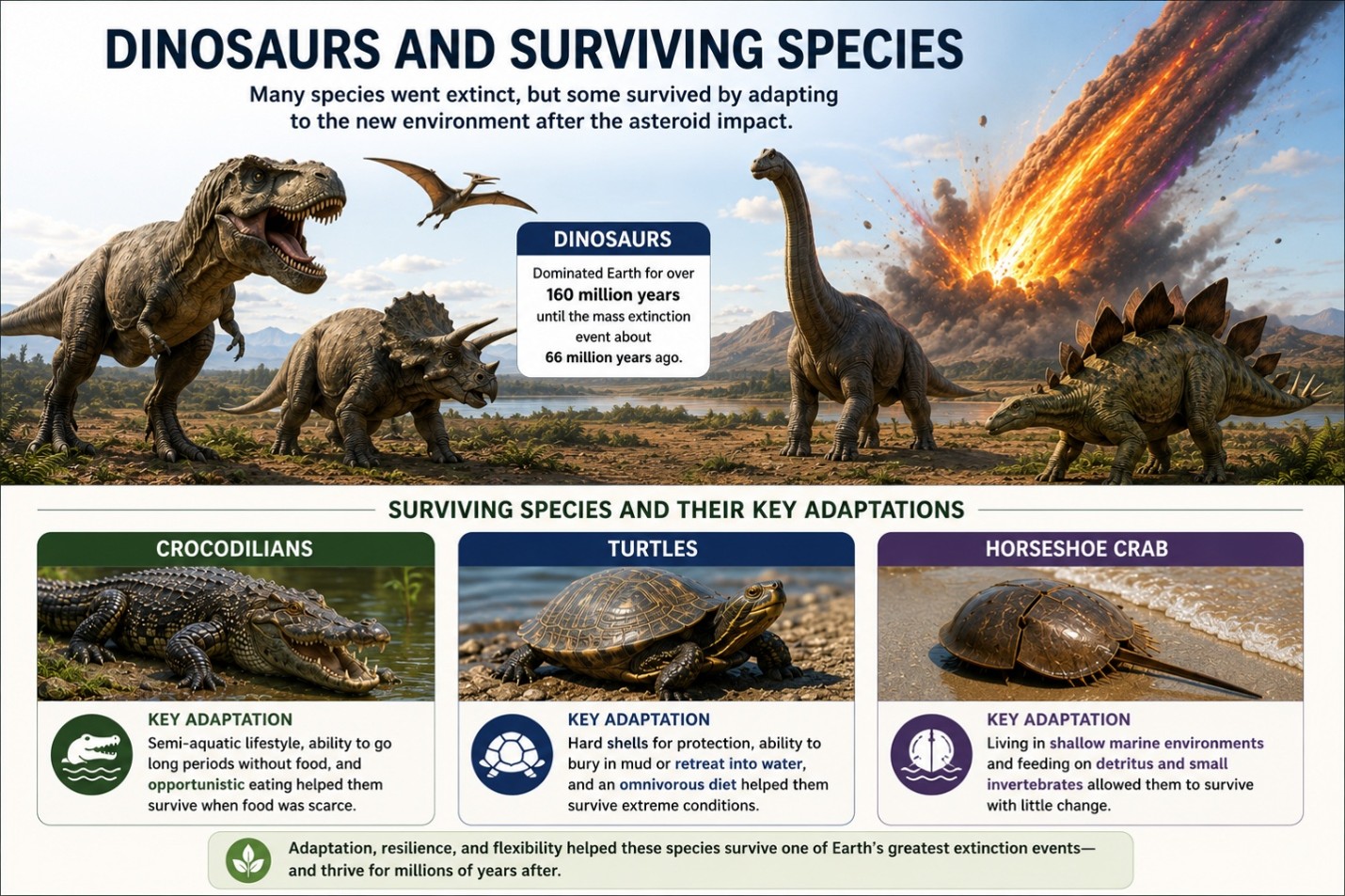
DUBAI, DUBAI, UNITED ARAB EMIRATES, June 25, 2026 /EINPresswire.com/ — Charles Darwin’s theory of evolution is often summarized as ‘survival of the fittest,’ but Darwin’s actual insight was more profound: it is not the strongest species that survives, nor the most intelligent, but the ones most adaptable to change.
At Rox Capital Group, we believe the global economy is experiencing one of the largest structural shifts since the end of the Cold War. For decades, investment strategies were built around globalization, low inflation, stable supply chains, low energy costs, and increasing international cooperation. Asset Managers investing under those assumptions have created extraordinary wealth for their clients, but they are no longer guaranteed.
Since the last few years, we have witnessed the world moving to a new environment characterized by rising trade barriers, geopolitical polarization, regional conflicts, persistent inflationary pressures, accelerating artificial intelligence adoption, and the re-shoring of critical industries. AI and robotics are reducing the importance of labor cost advantages, while simultaneously increasing their demand for power and data infrastructure. In this new environment, many of the assumptions that drove investment decisions over the last 30 years need to be challenged.
Just as species must adapt when their environment changes, investors must adapt to a changing economic landscape. The winners of the coming decades may not be the assets that performed best in the previous cycles, but those best positioned for the new world that is starting to emerge.
Additionally, in a more polarized and disconnected world, just like the trade barriers and wars that have restricted the movement of goods and people, movement of capital is also starting to emerge as the next big barrier. A combination of high inflation and targeted taxation on the wealthy, along with capital movement restrictions, could put investors and asset managers heavily exposed to the local economy that could wipe out decades of asset growth that have been painfully achieved, in just a handful of years.
Savvy investors & asset managers need to be positioned early for this change by relocating a part of their capital into jurisdictions, which are open, tax free, with stable banking systems and under capital structures that protect the identity of family houses and have a history of producing high yields on assets.
ROX Capital Group was founded around this principle. We focus on owning and operating assets that are essential, resilient, and positioned to protect and grow capital from these structural shifts. We seek opportunities in real assets, infrastructure, energy, climate solutions, and income-producing properties that provide fundamental services to society. These assets are less dependent on speculative growth and more aligned with enduring human needs: shelter, energy, logistics, water, food security, and industrial productivity.
Our investment philosophy is therefore evolutionary rather than cyclical. We are not attempting to predict the next quarter. We are identifying the characteristics that will matter in a world of higher energy demand, greater geopolitical complexity, technological disruption, and restricted capital flows. We believe capital should migrate toward assets that can adapt, endure, and generate value regardless of which economic cycle comes next.
In Darwin’s world, adaptation & resilience determined survival. In today’s investment landscape, we believe assets with these same qualities will determine long-term returns.
We are positioning ourselves for the next decade and beyond.
The graph above shows the decline in US investments outside the country. It shows a trend of potentially increasing higher concentration of US investments in the local economy over the past few years. It is true that the US economy has had a strong run in the past few years, however continuing to keep positions that have high concentrations locally, could position your portfolios towards fundamental structural risks (e.g. in the event of an AI bubble collapse)
On the other hand, among the foreign investments itself it is keen to note that 58.2% is held in Europe & 6.7% in Canada. It means that 65% is held in developed economies, while (assuming others as growing/emerging), 35% is only allocated to emerging economies. Out of which 1.3% is the contribution of the Middle East.
Given the overall global landscape that is emerging, it is time to look at the portfolios in more detail and take an informed decision of the allocations that you think is prudent. A portfolio more aligned with your needs, that is more adaptable to change, will help you achieve the stability and growth that is required in this time of drastic geopolitical changes. Allocating capital to growing economies such as Dubai, can help reduce local concentration and position your portfolio to be more resilient and flexible in these times of higher uncertainty.
Robin Antony is the Managing Director of Rox Capital Group. He is an ex-banker and ex-management consultant from Dubai. He has a Bachelor degree in Engineering from National University of Singapore (NUS) and a dual MBA from IIM Ahmedabad and ESSEC Business School, Paris
Robin Antony
Rox Capital Group
+971 56 672 5205
email us here
Visit us on social media:
Facebook
Legal Disclaimer:
EIN Presswire provides this news content “as is” without warranty of any kind. We do not accept any responsibility or liability
for the accuracy, content, images, videos, licenses, completeness, legality, or reliability of the information contained in this
article. If you have any complaints or copyright issues related to this article, kindly contact the author above.

Media gallery