
Key Takeaways
- Hull trades switching to electric vans are using wraps to signal their green credentials while turning vehicles into moving adverts
- Wraps double as paint protection, shielding factory bodywork from stone chips, scratches and UV fading for years
- Full colour-change wraps must be reported to the DVLA, while any signwriting or wrap counts as a modification insurers need to know about
- Matchdesigns prices range from £99 for simple decals up to £3,000+ for a full wrap, giving trades choices at every budget
- Choosing low-VOC, PVC-free vinyl is becoming part of what a genuinely eco-friendly fleet rebrand looks like
Hull’s trade vans are changing colour, and not just for a fresh look. As more local plumbers, electricians and builders swap diesel for electric, their vans are becoming a canvas for a bigger story about greener business practices.
Hull’s Electric Vans Are Ready For A Rebrand
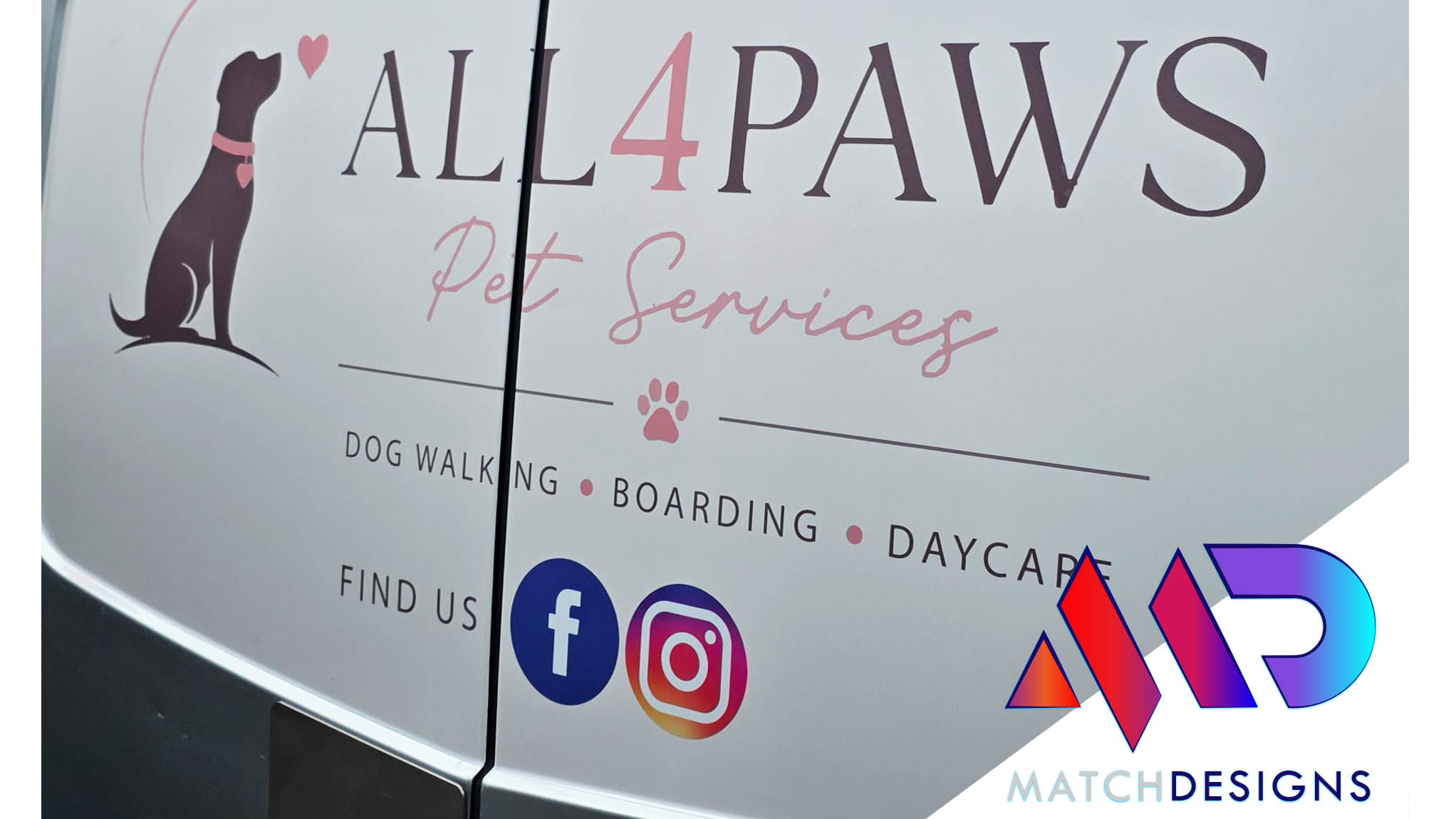
An electric van parked outside a job site already says something about a business before a single word is spoken. Pairing that quiet statement with sharp, purposeful branding turns a simple vehicle change into a genuine marketing moment. Matchdesigns, the Hull-based studio behind wraps, signage and web design for local firms, works with trades thinking through this kind of rebrand as fleets go electric.
Swapping a vehicle is a big decision on its own. Getting the branding right at the same time means a business only has to disrupt its operations once, rather than wrapping a van today and rethinking the design again in a year.
Why Hull Trades Are Going Electric Now
Several forces are pushing local trades toward electric vans at the same time, and none of them are slowing down.
Council Targets Carbon Neutral By 2030
Hull City Council declared a climate emergency in 2019 and set a target for the city to become carbon neutral by 2030. A recent report to the council’s cabinet noted that the 2030 Carbon Neutral Strategy had run its course, with the council now working toward net zero by 2040 and treating the original 2030 goal as a milestone along that path. Events such as the council’s Let’s Go Electric! initiative have also helped local businesses get hands-on experience with EVs before committing to a purchase. For trades that work closely with the council or bid for local contracts, showing genuine environmental commitment is increasingly part of doing business in the city.
ZEV Mandate Sets 2035 Deadline
Beyond local ambition, national policy is forcing the pace. The UK government’s Zero Emission Vehicle mandate sets a 2035 deadline for every new car and van sold in the UK to be zero-emission, with interim targets already pushing the share of zero-emission van sales higher year on year. Trades replacing vans over the next few years are increasingly choosing electric now rather than waiting, simply because the market is shifting that way regardless.
Wraps Built For Sustainable Fleets
Going electric is only half the story. A growing number of trades want their branding to match their vehicle’s environmental credentials, and the wrap industry has responded.
Industry Shifts To PVC-Free, Low-VOC Vinyl
3M and Avery Dennison have introduced PVC-free films that can be recycled with mixed household recycling, alongside low-VOC adhesives said to cut harmful emissions during production, per those manufacturers’ own product materials.
Bio-based polymers are also said to be entering the market, reducing reliance on fossil fuels compared with traditional vinyl, as described by vinyl film producers working in this space.
For a business keen to back up an electric fleet with genuinely lower-impact materials, these developments matter as much as the paint job itself.
Manufacturers Highlight Paint Protection And Less Waste
Vinyl wrap manufacturers state that producing a wrap generally creates less pollution and landfill waste than a full respray, with far less chemical runoff. Wraps also act as a second skin over a van’s factory paint, protecting it from minor stone chips, scratches and UV fading. When the time comes to sell or upgrade, professional removal reveals paintwork that has been preserved rather than worn down, extending the useful life of the vehicle itself.
Designing A Wrap That Turns Heads
An electric van earns attention simply by being quiet and modern-looking. The wrap on top of it decides whether that attention turns into a phone call.
Clarity Over Clutter
Effective wrap design keeps things simple: business name, key services and contact details, all readable at a glance in high-contrast colours. A design crammed with every service a business offers rarely performs better than one clean message paired with strong imagery, because passing drivers and pedestrians only get a few seconds to take it in.
One-Way Vision For Rear Windows
Rear windows offer valuable extra space for branding, and perforated One-Way Vision vinyl makes the most of it. The material displays a full-colour graphic from the outside while keeping the driver’s view clear from inside the cab. UK law draws a firm line here, prohibiting any opaque wraps or tints on the front windscreen or front side windows, so this technique stays reserved for rear glass only.
DVLA And Insurance Rules For Wrapped Vans
Rebranding a van is not purely a design exercise. A couple of legal boxes need ticking too.
DVLA Rules On Colour-Change Wraps
A full wrap that completely changes a van’s primary colour must be reported to the DVLA, with the V5C logbook updated to match. Partial wraps, decals or signwriting that leave the original colour visible do not trigger this requirement, which is one reason some trades choose a partial wrap as a lower-hassle starting point.
Insurers Class Wraps As A Modification
Whatever level of branding is chosen, UK insurers treat signwriting, decals and wraps alike as a vehicle modification. Insurers need to be told before the work goes ahead. Some may adjust premiums slightly upward because the van stands out more, while others see branded vans as lower risk, since they tend to be driven more carefully and are less appealing to thieves.
What Hull Businesses Typically Invest
Matchdesigns’ Hull pricing runs in three bands: van signwriting and decals, covering logos and contact details on doors and rear panels, from £99 to £500; partial wraps, usually covering the rear sides and back doors alongside cut vinyl graphics, between £500 and £1,500; and full van wraps, covering the entire exterior in printed or colour-change vinyl, starting around £1,500 and reaching £3,000 or more depending on complexity and finish.
A trade business weighing up an electric van purchase alongside a rebrand can use this range to plan the branding budget as part of the wider vehicle investment, rather than treating it as an afterthought once the van has already arrived.
An Eco Wrap Pays Off For Years
A well-installed wrap using premium vinyl typically lasts between five and seven years, which means the branding investment stretches across most of the time a business owns the van. During that period it protects the paintwork underneath, keeps the message consistent across every job site and delivery run, and quietly reinforces the environmental choice the business has already made by going electric. For Hull’s trades, pairing an electric van with a considered, well-designed wrap turns a necessary vehicle upgrade into years of free, rolling advertising.
For businesses planning the switch, it’s worth looking into electric van wraps in Hull early, so the branding and the vehicle change land together rather than as two separate projects.
matchdesigns
682 Anlaby Road
Hull
England
HU3 6UZ
United Kingdom


