
Crawlspace Encapsulation Advantages You Need to Know for Effective Moisture Control and Home Protection
Erie, United States – June 24, 2026 / ARK Basement Services /
By Mike Perry, ARK Basement Services
Crawlspace encapsulation is a proven method for controlling moisture and improving the living environment within a home. The process seals crawlspaces to block moisture, pests and pollutants, which in turn supports better air quality and protects structural elements. With rising concerns about humidity and mold, understanding encapsulation’s principal benefits—moisture control, air quality improvement, energy savings and pest reduction—is essential. Encapsulation also enhances resale value, making it a practical investment for homeowners.
Key Takeaways
- Crawlspace encapsulation effectively controls moisture, preventing mold growth and protecting home structural integrity.
- Encapsulation improves indoor air quality by reducing allergens, mold spores, and pollutants in the living environment.
- Sealing crawlspaces enhances energy efficiency by stabilizing indoor temperatures and reducing HVAC workload.
- Proper encapsulation deters pests by sealing entry points and creating a dry, inhospitable environment.
- The vapor barrier installation is crucial for blocking ground moisture and maintaining a dry crawlspace.
- Encapsulation increases home value by signalling well-maintained moisture control and improved air quality to buyers.
- Regular professional inspections ensure long-term effectiveness and address moisture or structural issues early.
- Signs like dampness, mold, and pest infestations indicate the need for encapsulation in the crawlspace.
- Combining encapsulation with drainage and dehumidification systems optimizes moisture management and home protection.
Moisture Control
Crawlspace encapsulation provides a physical barrier that prevents humid air and ground moisture from entering the crawlspace. By lowering humidity, encapsulation reduces the risk of mold and wood rot and helps protect foundations and structural components. Uncontrolled moisture can cause structural harm, degrade indoor air and increase energy use.
Ark Basement Services specializes in crawlspace encapsulation, applying experience to design moisture barriers that match each home’s conditions.
A properly encapsulated crawlspace also promotes consistent temperature and controlled airflow, which improves indoor comfort and supports a healthier environment for occupants.
Improved Indoor Air Quality
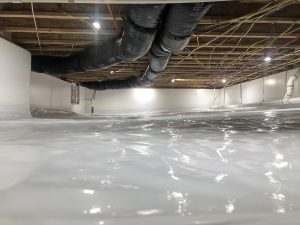 One of the primary benefits of encapsulation is measurable improvement in indoor air quality. Controlling moisture lowers the presence of mold spores, allergens and other pollutants that can circulate into living spaces. The encapsulated assembly serves as a dependable barrier against these contaminants.
Damp conditions encourage mold and allergen growth, which can worsen respiratory problems. Sealing the crawlspace reduces these risks and helps maintain a cleaner, healthier home atmosphere.
Energy Efficiency
Encapsulation contributes to energy efficiency by preventing cold, damp air from entering conditioned areas. With less unwanted air exchange, heating and cooling systems operate more effectively and predictably.
The insulated barrier established by encapsulation helps stabilise indoor temperatures across seasons, lowering HVAC load and producing noticeable utility savings over time.
Structural Integrity
Protecting structural integrity is a core purpose of encapsulation. Moisture intrusion accelerates wood decay and can lead to sagging floors, rotted beams and costly repairs. Encapsulation reduces those risks by keeping foundational materials dry.
By maintaining a dry environment, encapsulation preserves wooden elements and structural supports, thereby reducing the likelihood of moisture-related deterioration.
Pest Control
Encapsulation functions as a practical pest-control measure. Moist, accessible crawlspaces attract insects and rodents; sealing the space removes the conditions that invite infestations and blocks common entry routes.
With fewer pests present, homeowners experience fewer nuisances and reduced risk of pest-related damage or health concerns.
Increased Home Value
Crawlspace encapsulation can enhance a property’s market appeal. Buyers value documented moisture control and improved air quality, and a sealed crawlspace signals that the home has been maintained to address these issues.
Demonstrating proactive moisture management can strengthen a property’s listing and support a higher resale price.
What is crawlspace encapsulation, and how does it protect your home?
Crawl space encapsulation involves sealing a crawl space—commonly with a vapor barrier—to prevent moisture ingress and establish a cleaner, safer environment. This intervention targets moisture, mold, and pest risks by limiting exposure to outside elements and improving overall habitability.
What is Crawlspace Encapsulation?
The encapsulation process typically installs durable plastic sheeting over the ground and often the walls of the crawl space to create a continuous moisture barrier. Work may also include sealing vents, adding dehumidification, and improving drainage. The goal is a consistently dry, serviceable space.
Proper dehumidification systems are essential to maintain target humidity levels within the encapsulated area.
How It Protects Your Home
Encapsulation protects a home by forming a physical barrier against ground moisture and by limiting pest access. Sealing gaps and vents prevents unwanted entry, while dehumidification maintains controlled humidity to reduce moisture-related risks.
Moisture Barrier
The vapor barrier is a primary defense against moisture. Constructed from polyethylene or similar materials, the barrier covers the ground and, where appropriate, the walls to limit water vapor transmission and reduce mold and mildew development.
For complete moisture protection, basement waterproofing methods can be used alongside encapsulation.
Pest Deterrent
Sealing entry points as part of encapsulation decreases the chance of pests establishing themselves in the crawlspace. The barrier prevents rodents and insects from using the space for shelter or storage.
Air Quality Improvement
Encapsulation reduces moisture-driven pollutant growth, which supports improved indoor air quality. This effect is particularly beneficial for occupants with respiratory sensitivities.
Mechanisms of Encapsulation
Encapsulation combines several measures to maintain a dry crawlspace and protect the home’s integrity.
Vapor Barrier Installation
The principal mechanism is the vapor barrier installation, a durable plastic layer designed to resist ground moisture and limit vapor transmission into the crawlspace.
Sealing Gaps and Vents
Careful sealing of vents and gaps prevents outside air and moisture from entering the crawlspace, reducing drafts and helping preserve a stable interior environment.
Dehumidification
An installed dehumidification system removes excess moisture from the air, supporting consistent, controlled humidity within the encapsulated space.
Drainage Systems
Effective drainage directs water away from the foundation and prevents accumulation near the crawlspace. Combined with encapsulation, properly designed drainage systems provide comprehensive moisture protection; French drains are often part of this approach.
Benefits of Crawlspace Encapsulation
The advantages of encapsulation extend beyond easier maintenance. Homeowners see tangible benefits in health, durability and operating costs, making the measure a sound long-term choice.

Prevention of Mold and Mildew
A correctly installed encapsulation system reduces the conditions that allow mold and mildew to develop, thereby lowering the risk of contamination and related health concerns.
Improved Indoor Air Quality
Encapsulation delivers drier, cleaner air by limiting sources of allergens and irritants, which supports better respiratory health for occupants.
Energy Efficiency
Encapsulated crawlspaces reduce the burden on heating and cooling systems, often resulting in measurable energy savings for homeowners.
Structural Integrity
Keeping foundational materials dry helps preserve their strength and prolong the service life of structural components.
When moisture has already caused significant damage, professional foundation repair may be required to restore stability.
Increased Home Value
Encapsulation signals proactive maintenance and reduced risk, attributes that can make a property more attractive to buyers and support higher sale prices.
How Does Encapsulation Address Moisture and Mold Risks in Crawlspaces?
Encapsulation establishes barriers against external water sources and controls humidity, preventing conditions that permit mold growth and moisture-related damage.
How Does Crawlspace Encapsulation Improve Indoor Air Quality and Health?
By restricting the entry of pollutants and allergens from the crawlspace, encapsulation reduces airborne contaminants and supports healthier indoor air for occupants.
In What Ways Does Moisture Control Reduce Mold and Airborne Contaminants?
Moisture control keeps the environment dry and stable, which directly limits the opportunity for mold and other airborne contaminants to develop and spread.
What Are the Benefits of Encapsulation for Allergies and Respiratory Health?
Encapsulation lowers the presence of mold and common allergens, which can lead to fewer triggers for those with allergies or respiratory conditions.
What Are the Structural Integrity and Foundation Benefits of Crawlspace Encapsulation?
Encapsulation protects foundational materials from moisture exposure, helping to prevent decay and maintaining the structural soundness of the home.
How Does Encapsulation Prevent Foundation Damage and Structural Decay?
By acting as a moisture barrier and stabilizing humidity, encapsulation reduces the conditions that cause foundation damage and structural deterioration.
Why Is Professional Inspection Vital for Long-Term Structural Safety?
Professional inspections identify moisture sources, assess encapsulation performance, and recommend maintenance or upgrades so the system remains effective over time.
How Does Crawlspace Encapsulation Contribute to Energy Efficiency and Cost Savings?
Encapsulation reduces uncontrolled air exchange and stabilizes interior conditions, which lowers energy use and produces ongoing cost savings.
What Impact Does Encapsulation Have on Home Heating and Cooling Costs?
Encapsulation reduces HVAC workload by creating a more stable internal climate, which typically leads to lower heating and cooling expenses.
Are There Long-Term Financial Benefits of Investing in Crawlspace Waterproofing?
Investing in crawlspace waterproofing can yield long-term financial benefits through reduced repair costs and improved property value, as a well-maintained crawlspace supports overall home condition.
What Signs Indicate You Need Crawlspace Encapsulation Services?
Homeowners should watch for clear indicators that encapsulation is needed, such as persistent dampness, visible mold, or recurring pest problems.
- Dampness or Standing Water: Visible moisture or pooling water is a clear indicator that encapsulation is necessary.
- Mold Growth: The presence of mold is both a health hazard and a sign of moisture issues that require immediate attention.
- Pest Infestations: Frequent pest sightings can indicate an unhealthy crawlspace environment that needs treatment.
Which Common Crawlspace Problems Signal Moisture or Mold Issues?
Common signs of moisture or mold problems include water stains on foundation walls, musty odors, and deteriorating wood that indicates prolonged exposure to moisture.
How Can Homeowners Detect Early Warning Signs Before Serious Damage Occurs?
Regular visual inspections of the crawlspace for damp spots, odors, or structural changes allow homeowners to identify problems early and arrange timely remediation to avoid costly repairs.
Why Choose Ark Basement Services for Crawl Space Encapsulation in Pittsburgh?
Ark Basement Services is a recognized provider of crawl space encapsulation in Pittsburgh, known for quality work and a focus on customer satisfaction. Their teams deliver complete solutions designed to meet each homeowner’s needs.
What Makes Ark’s Locally Tailored Crawl Space Solutions Reliable and Effective?
Ark’s methods account for local climate and site-specific conditions, ensuring solutions are effective and durable against the moisture challenges common in the Pittsburgh area.
How Do Customer Testimonials and Recent Projects Demonstrate Ark’s Expertise?
Customer testimonials and recent project examples document successful encapsulation outcomes and reflect Ark’s commitment to skilled workmanship and reliable results.
Frequently Asked Questions
How long does crawl space encapsulation typically last?
Crawl space encapsulation systems commonly last 10 to 20 years, depending on material quality, site conditions, and maintenance. High-grade vapor barriers and professional installation extend lifespan, while periodic inspections and minor repairs help maintain effectiveness.
What maintenance is required after encapsulating a crawl space?
Maintenance focuses on routine inspections of the vapor barrier and seals, confirming dehumidifier operation and addressing any standing water or drainage issues. Prompt attention to tears, punctures, or system faults preserves performance.
Can I encapsulate my crawl space as a DIY project?
Some homeowners may attempt a DIY encapsulation, but professional installation is recommended. Experts understand moisture management, ensure proper sealing, and integrate supporting systems like dehumidifiers and drainage for reliable long-term results.
Is crawl space encapsulation necessary in dry climates?
Even in dry climates, encapsulation can be beneficial by blocking ground moisture, reducing pest risk, improving air quality and protecting against occasional flooding or groundwater seepage.
What factors should I consider when choosing a crawl space encapsulation contractor?
Select a contractor based on experience, qualifications, and customer feedback. Seek specialists in moisture control, request detailed written estimates, and confirm available warranties or guarantees on their work.
Will encapsulating my crawl space eliminate all pests?
Encapsulation greatly reduces pest attraction and access but may not eradicate all pests. Combining encapsulation with thorough sealing, inspections, and targeted pest control measures provides the best protection.
How can I tell if my home needs crawl space encapsulation?
Visible dampness, musty odors, mold growth, pest activity, water stains on foundation walls, or sagging floors are all signs that professional assessment and potential encapsulation are advisable.
Conclusion
Crawl space encapsulation delivers clear benefits: improved moisture control, better indoor air quality, increased energy efficiency, and strengthened property value. These outcomes protect both occupant health and the home’s long-term condition. Homeowners seeking reliable, lasting results should consider professional encapsulation; contact our expert team to discuss the right solution for your property.


Contact Information:
ARK Basement Services
4208 Harding Drive
Erie, PA 16509
United States
Mike Perry
(866) 939-2837
https://www.arkbasementservices.com/


