
The Complete Guide to Cleaning Fleece Bedding for Guinea Pigs Without Damaging Its Wicking Ability
Wheaton, United States – July 15, 2026 / Small Pets and Company /
By Small Pets & Company Editorial Team
Washing guinea pig fleece cage liners requires a few key steps to maintain wicking ability and longevity. Shake off loose hay and debris before placing liners in the washing machine, then run a cold or warm cycle with a gentle, fragrance-free detergent. Fleece actually wicks better and better with more wash cycles over time.
Washing guinea pig fleece cage liners starts with a prewash cycle before first use. This strips manufacturing coatings and improves wicking performance and wicking continues to improve with each additional wash cycle. Shake off loose debris first, then machine wash with a gentle, fragrance-free detergent. Avoid fabric softener, which blocks wicking ability entirely.
Key Takeaways
- Wash guinea pig fleece liners every 3-7 days to prevent ammonia buildup and odors.
- Use a washing machine with cold water and a small amount of unscented detergent for cleaning.
- Run fleece liners through the dryer on low heat to restore their wicking properties effectively.
- Shake liners outside before washing to remove at least a notable share of loose hair and debris.
What do you need before washing fleece liners?
Guinea pig fleece liners are reusable, washable bedding solutions designed to reduce odors and simplify cage cleaning. Before washing, gather the right supplies and understand one key preparation step that determines whether your liner actually works.
Does new fleece need to be washed before use?
New fleece comes with a manufacturing coating that creates a water barrier on the fabric surface. That barrier prevents urine from passing through to the absorbent layer underneath. Which defeats the entire purpose of the liner. Prewashing strips that coating and opens the fleece pores so moisture wicks through properly. Skip this step, and your guinea pig ends up sitting in pooled liquid rather than a dry surface.
What supplies do you need before you start?
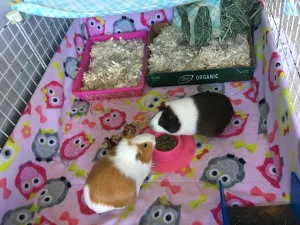 Gather these items before your first wash:
- Wash guinea pig fleece liners separately from household laundry to prevent cross-contamination and fiber transfer.
- Use a pet-safe, fragrance-free detergent scented products leave residue that can irritate sensitive guinea pig respiratory systems.
- Have a lint roller or soft brush ready to remove loose hay and hair before the liner enters the machine.
- Set aside a dedicated laundry bag or mesh bag to contain debris during the cycle.
Understanding how to wash guinea pig fleece liners correctly starts before the machine even runs. Proper preparation protects both your pet and your equipment. And builds a clean fleece cage liner routine that stays manageable long-term.
How do you prep fleece liners before the wash?
Prepping guinea pig fleece liners before washing takes less than five minutes. Protects both your machine and your liner’s lifespan. Skipping this step forces your washing machine to process loose hay and hair. Droppings debris that clogs filters and shortens appliance life.
Follow these steps in order before placing any liner in the wash:
- Remove the liner from the cage and take it to a trash bin or outdoor area.
- Shake the liner firmly to dislodge loose hay, hair, and debris. This is the single most important pre-wash step for protecting your machine.
- Brush off any remaining particles that shaking didn’t remove a stiff brush or lint roller works well here.
- Spot-check for soiled areas and remove any visible droppings or wet spots before loading the machine.
Why does daily spot cleaning matter before a full wash?
Spot cleaning your liner each day — removing droppings and damp patches as they appear takes only a few minutes, but the payoff is significant. Regular spot cleaning extends the time between full machine washes and keeps your guinea pig’s habitat noticeably healthier between laundry days.
Does cage layout affect how dirty liners get?
Cage setup plays a bigger role than most owners expect. Guinea pigs are prey animals. They naturally spend most of their time resting and eating near their shelters and hides. When those shelters stay in one fixed position, waste concentrates in the same spots every day. Repositioning hides and shelters regularly distributes activity more evenly across the liner. Means clean fleece cage liners stay cleaner for longer between washes.
Learning how to wash guinea pig fleece liners properly starts here. Good prep habits make the actual washing fleece bedding process faster and more effective every time.
What is the correct machine-washing process for fleece?
How to wash guinea pig fleece liners correctly starts with one non-negotiable rule: skip the fabric softener entirely. Fabric softener coats fleece fibers and blocks the wicking action that keeps your guinea pig’s habitat dry and comfortable.
Before loading the machine, shake the liner outdoors or over a trash can to remove loose hay and hair. This single step protects your washing machine drum and prevents debris from accumulating inside the appliance over repeated cycles.
Prerequisites before you start:
- Liner is shaken free of loose hay, hair, and debris
- Washing machine drum is clean and free of residue from previous loads
- No fabric softener is present in the dispenser drawer
Step-by-step machine-washing process:
- Pre-rinse the drum by running a short rinse cycle before adding the liner. This clears any detergent or softener residue left from household laundry.
- Load the liner into the machine on its own or with other pet bedding only — not with regular clothing.
- Add a small amount of pet-safe, fragrance-free detergent. Avoid any product that contains softening agents.
- Select a warm water cycle with an extra rinse setting if your machine offers one. The extra rinse flushes detergent fully from the fibers.
- Run the wash cycle and allow it to complete fully before removing the liner.
- Dry the liner on a low-heat setting or air dry apartment — high heat degrades fleece fibers over time.
Why does fabric softener damage fleece liners?
Fabric softener leaves a coating on fleece fibers that prevents moisture from passing through to the absorbent layer underneath. Clean fleece cage liners depend entirely on that wicking ability to keep the surface dry. Once softener builds up, the liner feels damp underfoot. And no amount of washing restores full performance until the coating is stripped through multiple softener-free cycles.
How many wash cycles does fleece bedding need to perform well?
Washing fleece bedding actually improves wicking performance over time. Each wash cycle opens the fiber structure slightly more, so guinea pig fleece liners perform better after several washes than they do straight out of the packaging. Small Pets & Company’s washable liners are built to withstand this repeated washing while maintaining their odor-reducing properties and long-term comfort — so consistent laundering is an investment in liner performance, not a risk to it.
How should you dry guinea pig fleece liners properly?
Drying guinea pig fleece liners thoroughly after every wash protects the fleece’s wicking ability. Prevents mildew from forming inside the liner’s layers. Skipping proper drying — or rushing the process. Shortens the liner’s lifespan and allows odors to build up faster between cage cleanings.
 Washing fleece bedding correctly is only half the job. The drying step determines whether your liner stays fresh, functional, and comfortable for your pet over the long term.
Follow these steps to dry your liners correctly:
- Shake the liner outdoors before drying to remove loose hay, hair, and debris that survived the wash cycle.
- Check the care label on your specific liner before choosing a heat setting — high heat damages fleece fibers over time.
- Tumble dry on low heat until the liner is completely dry throughout, not just dry on the surface.
- Feel the inner layers by pressing firmly on the thickest part of the liner. If any dampness remains, run another low-heat cycle.
- Allow the liner to air out for 10–15 minutes after the dryer finishes before placing it back in the cage.
Can you air-dry guinea pig fleece liners instead of using a dryer?
Air-drying works well in warm, well-ventilated spaces. Hang the liner apartment or over a drying rack so air circulates on both sides. Avoid folding the liner while damp, since trapped moisture between layers causes mildew.
Why does thorough drying matter for long-term liner performance?
Clean fleece cage liners are designed to provide lasting comfort and reduce odors — but only when fully dry before reuse. Residual moisture breaks down the liner’s wicking performance, meaning urine pools on the surface instead of passing through to the absorbent layer beneath.
What common washing mistakes should you avoid?
The most damaging mistakes in washing fleece bedding happen before the first wash even begins. Skipping the prewash on new liners and falling into inconsistent cleaning habits are the two errors that undermine everything else.
Does skipping the prewash really matter?
Skipping the prewash on new guinea pig fleece liners causes urine to pool on the surface rather than absorbing through the fabric. That pooling creates an uncomfortable, unsanitary environment for your pet. New fleece carries manufacturing coatings that block the fabric’s natural wicking ability. And those coatings only break down through repeated wash cycles. Run new liners through at least a few washes before placing them in the cage.
What happens when you wash fleece liners inconsistently?
Inconsistent washing routines break down the liner’s performance over time. Clean fleece cage liners depend on regular maintenance to stay effective. Irregular washing allows odor and bacteria to build up faster than a single wash can reverse.
Here are the key mistakes to avoid when you wash guinea pig fleece:
- Skip the prewash — Never place new liners directly in the cage before washing out manufacturing coatings.
- Wash infrequently — Letting soiled liners sit too long accelerates odor buildup and shortens liner lifespan.
- Ignore sustainability habits — How to wash guinea pig fleece liners correctly is part of responsible pet care; proper maintenance is what makes reusable bedding a genuine eco-friendly alternative to disposable substrates.
Building a consistent routine protects your pet’s health and extends the life of every liner.
Washing guinea pig fleece cage liners is a straightforward process once you understand the steps involved. Removing debris before washing, using the right detergent, skipping fabric softener. Drying liners thoroughly are the habits that keep fleece performing at its best. Each wash cycle builds your routine, and that routine directly supports a cleaner, healthier habitat for your guinea pig. With consistent care, your liners stay absorbent, odor-resistant, and comfortable — exactly what your small pet deserves.
FAQ
Does new guinea pig fleece need to be washed before use?
Yes. New fleece comes with a manufacturing coating that creates a water barrier on the fabric surface, preventing urine from passing through to the absorbent layer underneath. Prewashing strips that coating and opens the fleece pores so moisture wicks through properly. Run new liners through at least two or three wash cycles before placing them in the cage for the first time.
How often should you wash guinea pig fleece liners?
Wash fleece liners for guinea pigs every 3–7 days under normal use. Spot clean daily, removing droppings and damp patches as they appear, to extend the time between full machine washes. Homes with multiple guinea pigs or high-activity piggies may need to wash closer to every 3 days to prevent ammonia buildup and odors.
What is the best detergent for washing guinea pig fleece liners?
Use a pet-safe, fragrance-free detergent in a small amount. Scented detergents leave chemical residue on the fibers that can irritate guinea pig respiratory systems, which are especially sensitive. Never use fabric softener; it coats the fleece fibers and permanently blocks wicking ability until the buildup is stripped through multiple softener-free wash cycles.
Can you put fleece liners for guinea pigs in the dryer?
Yes, you can tumble dry fleece liners on a low-heat setting. High heat degrades fleece fibers over time and shortens liner lifespan. Dry the liner completely, not just on the surface, then let it air out for 10–15 minutes before returning it to the cage. Air-drying on a rack also works well in warm, well-ventilated spaces.
How do you wash guinea pig fleece liners in a washing machine?
Shake the liner outdoors first to remove loose hay, hair, and debris. Load it separately from regular laundry or with other pet bedding only. Add a small amount of fragrance-free, pet-safe detergent — no fabric softener. Run a warm water cycle with an extra rinse if your machine offers one. The extra rinse fully flushes detergent from the fibers, which protects both the fleece and your guinea pig.


Contact Information:
Small Pets and Company
S Main St
Wheaton, IL
United States
William Crawford
https://smallpetsandcompany.com/


