
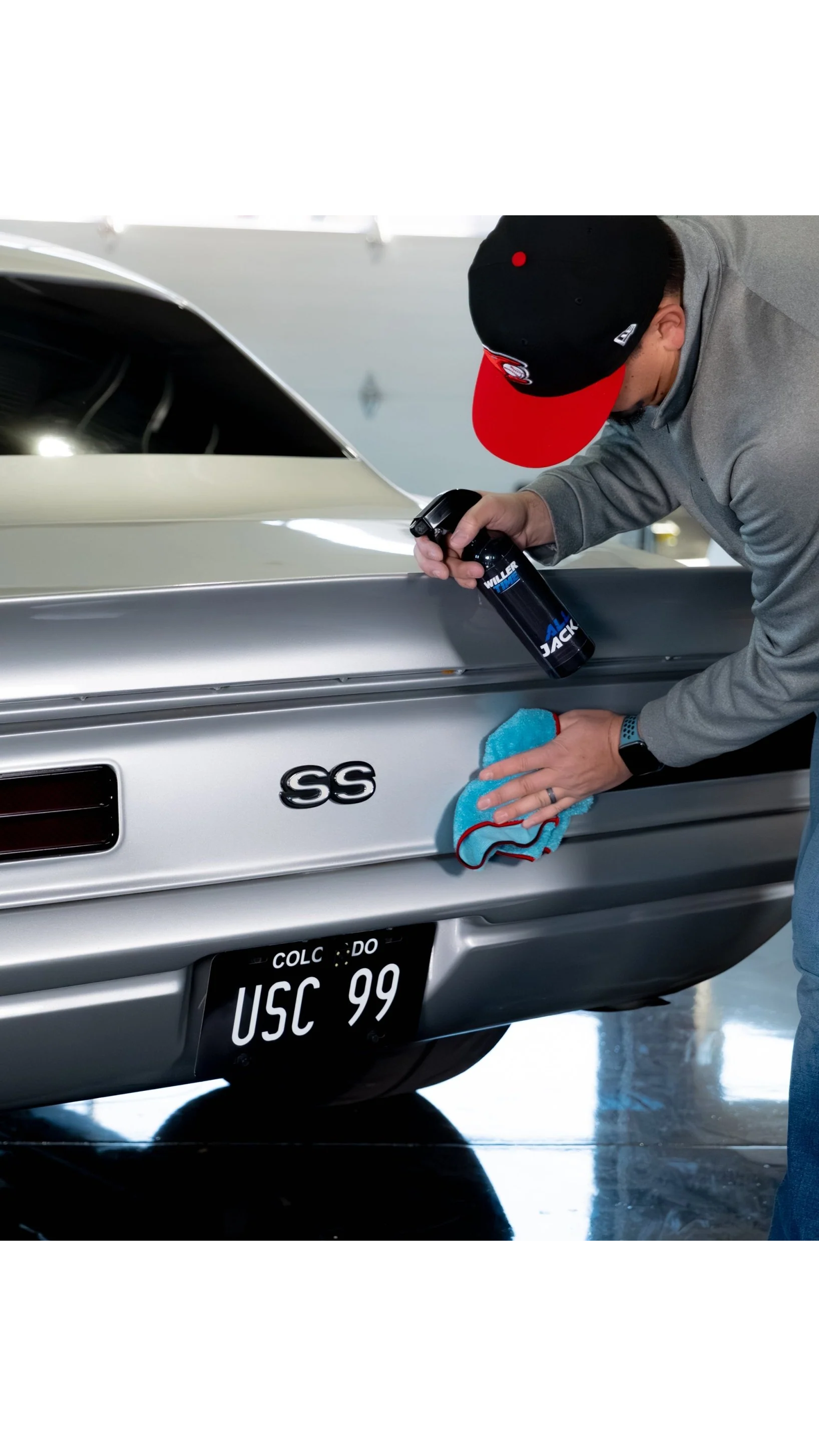
Key Takeaways
- Clear coat cannot regenerate once it wears through, so prevention through the right products matters more than correction after the fact
- Micro-abrasion from poor towels and harsh solvents quietly erodes clear coat long before visible damage appears
- Fillers and oils can fake a glossy finish for a few washes, but only bonded coatings, sealants, or paint protection film build genuine long-term protection
- Ceramic coatings range from around 3 months for detail sprays to 2-5 years for professional-grade bottled coatings and up to 10 years for high-end formulas, while carnauba wax provides shorter-term protection and needs reapplication every 1-3 months
- Willer Time believes that a product label can reveal whether it protects paint or just fakes shine for a week – read their full insights below
Clear coat looks tough. It reflects sunlight like glass and feels smooth to the touch. That toughness is deceiving, because this thin layer is the only thing standing between paint and years of sun, grit, and chemical exposure.
Modern automotive paint systems rely on a resin-based clear coat for gloss, UV resistance, and protection against environmental exposure. It sits on top of the color coat, and it is not designed to be renewed or refilled once it wears thin. Choosing the right detailing products, and avoiding the wrong ones, decides whether that layer lasts for years or thins out long before its time.
Once Clear Coat Is Gone, It’s Gone
Clear coat cannot regenerate. Unlike skin or even some other materials on a car, there is no natural healing process once this layer is compromised. A scratch that cuts through clear coat into the color layer beneath stays there permanently unless a professional repaints the panel.
This is why prevention matters far more than correction when caring for paint. Every wash, every polish, and every product applied to a vehicle either respects that thin protective layer or slowly wears it away. Treating clear coat like an unlimited resource is one of the most common and costly mistakes a car owner can make.
How Everyday Products Quietly Erode Clear Coat
Damage to clear coat rarely happens in one dramatic moment. It builds up slowly, through habits and products that seem harmless on any single day but add up over months and years of regular use.
Micro-Abrasion From Wiping and Poor Towels
Every time paint gets wiped down, friction is created between the towel and the surface. Poorly formulated cleaning products or low-quality towels increase that friction, and the result is tiny scratches known as micro-marring. These scratches often stay invisible under soft indoor lighting, then show up clearly as swirl marks under direct sun or garage LEDs.
Scrubbing with dirty towels or using overly harsh chemicals speeds up this kind of damage. A microfiber towel that has picked up grit from a previous wipe becomes an abrasive tool the next time it touches the paint. Over months of repeated washing, this constant low-grade friction is one of the biggest contributors to dull, tired-looking clear coat.
Why Polishing Removes Real Clear Coat
Polishing works by leveling the surface to remove defects like swirl marks and light scratches. That leveling process physically removes microscopic layers of clear coat, so every polish is a small, permanent reduction of the protective layer.
Occasional correction to fix visible defects is a normal part of paint care. Constant correction caused by poor washing habits is a different story, since it means clear coat gets cut down again and again to fix damage that better technique could have prevented in the first place. Preserving clear coat thickness means protecting more and correcting only when truly necessary.
Harsh Solvents and Their Hidden Cost
Some car cleaning solutions rely on strong solvents to strip contaminants quickly, and they can work well for a single stubborn job. Repeated exposure to these harsh formulas can dry out trim, weaken existing protective layers, and place ongoing stress on the clear coat itself.
Chemistry matters here as much as technique. Highly alkaline shampoos can cut through heavy grime but may also strip away wax or sealant in the process. Acidic shampoos can remove mineral deposits effectively, yet they carry a risk of etching delicate finishes if used too often or left on the surface too long. Aggressive stripping removes dirt, but it can just as easily remove the protection that was already there.
Fillers and Fake Shine Exposed
Shine is easy to fake. Genuine protection is not, and learning to tell the two apart protects both the paint and the wallet.
Oils and Fillers That Wash Away
Some products create an immediate, eye-catching shine using oils or fine fillers that settle into microscopic crevices and scratches in the paint. This temporarily masks imperfections, making the surface look freshly corrected for a short window of time.
These fillers sit on top of the paint rather than bonding to it or forming a genuine barrier. After a few washes, they rinse away, and the underlying defects reappear exactly as they were before. Anyone relying on filler-heavy products for a quick fix before a sale or a show is really just borrowing shine for a day or two, not solving the underlying issue.
Why Gloss Isn’t Proof of Protection
Gloss and protection are different things, even though they often get confused. Genuine paint protection bonds to the surface or forms a barrier that resists weather, washing, and contaminants over time, rather than simply reflecting light attractively for a photo.
A common and costly cycle develops here: a harsh or filler-heavy product creates instant gloss, that gloss fades quickly, and the owner reapplies more product or reaches for something even stronger. Over time, this cycle wears down clear coat resilience instead of protecting it. Judging a product by how good the paint looks immediately after application is one of the easiest ways to be fooled by short-term shine.
Products Built for Real, Lasting Protection
Once the difference between cosmetic shine and genuine protection is clear, choosing the right products becomes a much simpler task.
pH-Balanced Cleaners That Respect the Finish
A properly engineered pH-balanced cleaner removes grime and road film while respecting the integrity of the finish underneath. Rather than stripping everything on contact, it focuses on controlled cleaning power that lifts contaminants without unnecessary aggression.
pH-balanced car wash soaps also help preserve any wax, sealant, or coating already on the paint, and their gentler formulation reduces the risk of swirl marks, fading, and etching over time. Safe, protective formulas emphasize lubrication, stability, and compatibility across modern finishes, which is exactly the kind of chemistry that keeps a wash routine from becoming a slow source of damage.
Paint Protection Film and Graphene Advances
For the highest level of physical protection, paint protection film stands apart from anything applied as a liquid. It is a thick, clear thermoplastic urethane film applied directly to painted panels, built to absorb rock chips, road debris, and minor abrasions before they ever reach the clear coat. Many premium films now include self-healing technology, where light scratches disappear when exposed to heat from sunlight or warm water.
Graphene coatings represent a newer step forward from traditional ceramic technology, with claims of better heat resistance and a smoother finished surface. These formulations generally hold up for several years, with some professional-grade versions rated at 5 to 10 years or more. These advances give owners more choices than ever for matching protection level to how a vehicle is actually used and how long the owner plans to keep it.
Reading Labels Like a Pro
Choosing between products gets much easier once a label can be read with a critical eye instead of taking marketing claims at face value.
Signs of Balanced, Compatible Chemistry
Trustworthy formulas prioritize ingredient transparency and clear instructions, explaining what the product is designed to do and, just as importantly, what it is not designed to do. A few signs point to reliable chemistry:
- Clear language about surface compatibility across paint types and existing coatings
- Evidence of durability testing rather than vague marketing promises
- Realistic performance claims that match the product category, whether that is a wash soap, sealant, or coating
Surface-safe chemistry reduces the risk of long-term degradation, which matters far more than how dramatic the shine looks in a five-second video clip.
Durability Claims Worth Trusting
Quality wax and sealant systems should state measurable durability, such as resistance to weather, repeated washing, and environmental fallout, rather than relying on vague words like “long-lasting” with no context. Ceramic and graphene products should back up multi-year durability claims with some explanation of how the coating bonds to the surface, since chemical bonding is what separates a genuine coating from a glorified wax.
Genuine Protection Always Beats Temporary Shine
Clear coat is resilient, but it is far from invincible. Micro-abrasion, fillers, and harsh solvents chip away at it slowly, often without an owner noticing until the gloss and depth of the paint have already faded. Gloss by itself never equals safety, and shine without durability behind it is only ever temporary.
Thoughtful product choices, balanced chemistry, and realistic expectations are what protect clarity, depth, and long-term value. Protecting first and polishing only when necessary keeps clear coat where it belongs – on the car, doing its job for years to come. For anyone ready to build a smarter routine, Willer Time offers further resources on car detailing steps.
Willer Time
support@willertime.com
1(800) 555-1234
2020 N Academy Blvd Ste 261
#4504
Colorado Springs
CO
80909
United States


